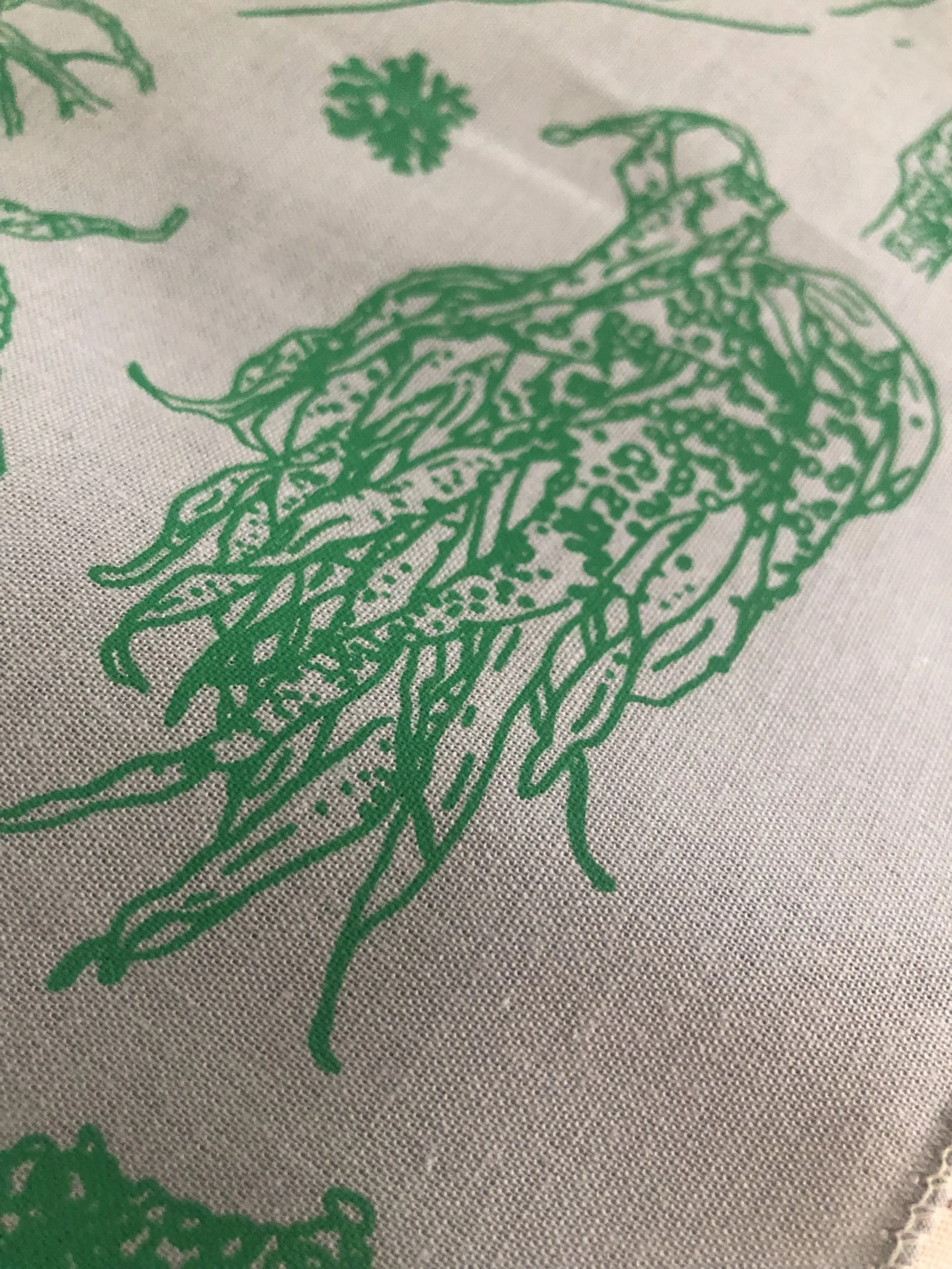
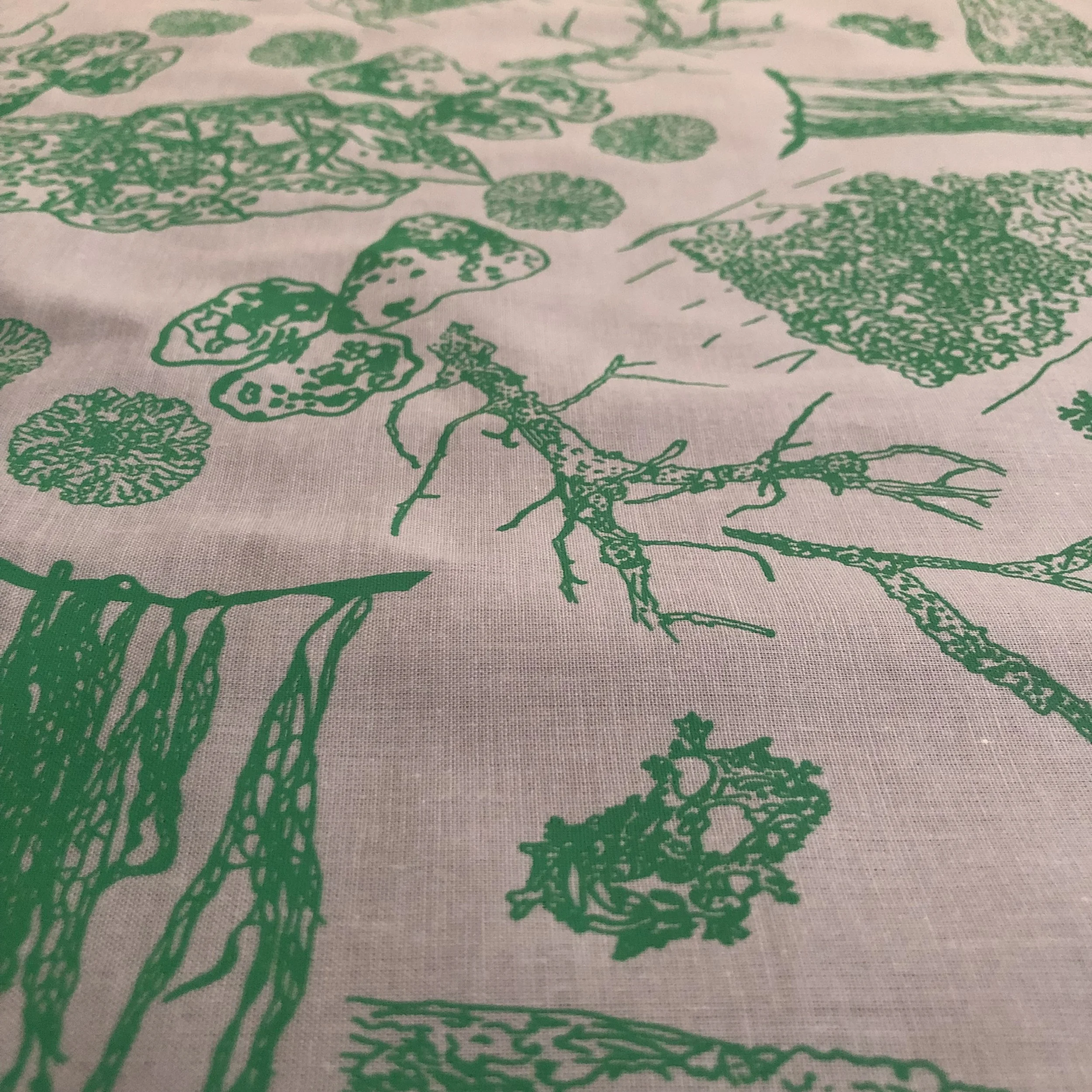
Lichen theme exploration for Queer Ecology Hanky Exhibition
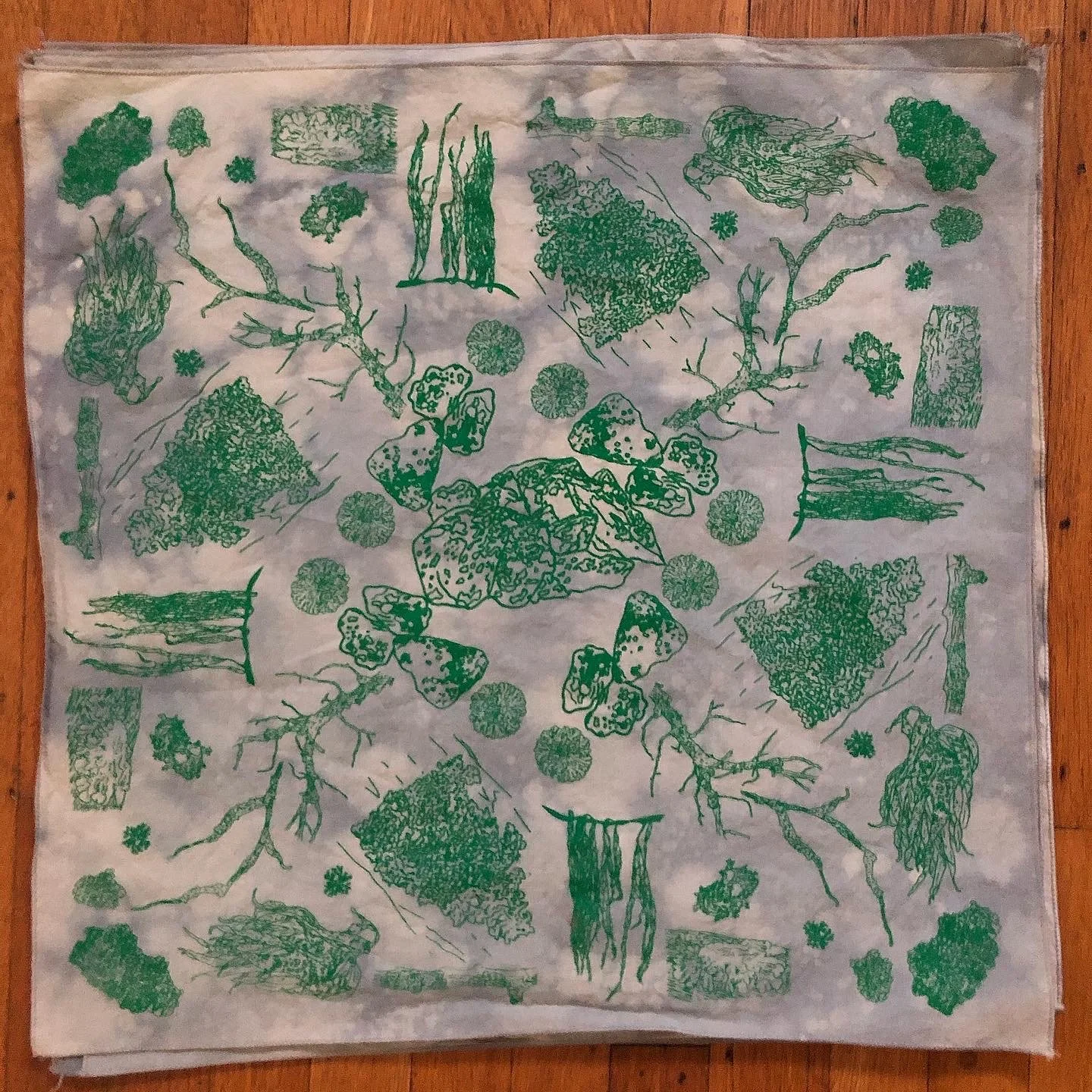
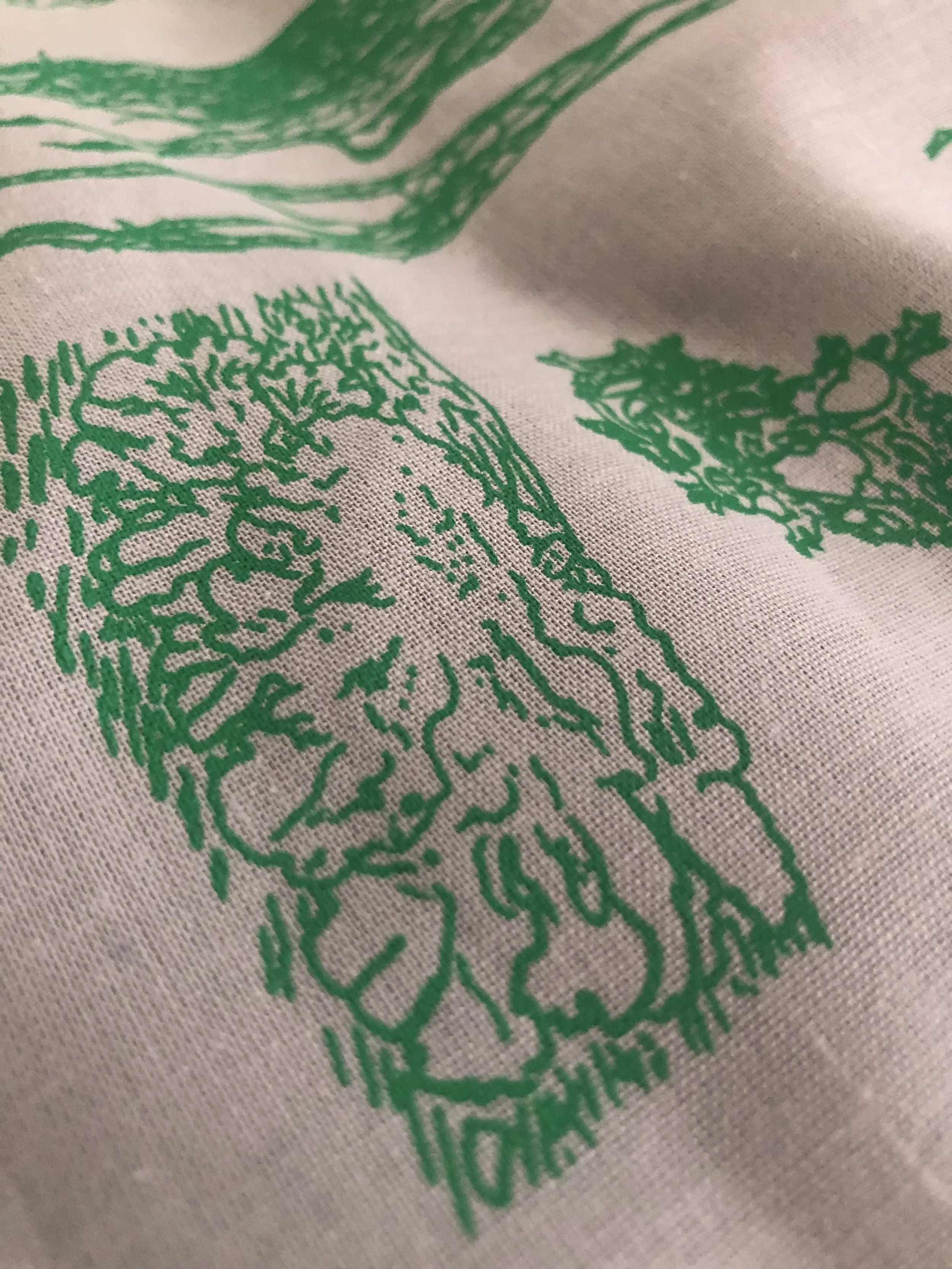
Lichen are a classic example of symbiosis between algae and fungi. (This symbiosis is both endosymbiotic and mutualistic.) Lichen offer a framework of reproduction that is vertical and outside heteronormativity. David Griffiths states in Queer Theory for Lichens, "The symbiotic view of life suggests that all organisms are involved in boundary crossings and gene-shuffling." Further, the biodiversity within the microbes fostered via lichens within cryptobiotic soil, represents the existential wisdom queer ecologies have to offer (as referenced by QueerNature). Lichen can be seen in a vast range of bodies (shape, color, and sizes), and may thrive in diverse surroundings with varying environmental conditions, all made possible by the interplay of the symbionts. This diversity and adaptability is essential for survival as we confront climate change, and is articulated in the recent article To Survive Climate Catastrophe, Look to Queer and Disabled Folks by Patty Berne and Vanessa Raditz: "If we can build an intersectional climate justice movement—one that incorporates disability justice, that centers disabled people of color and queer and gender nonconforming folks with disabilities—our species might have a chance to survive."